RC scale explained: what 1:10, 1:14 and 1:50 actually mean
Scale is a ratio, not a size, and a bigger second number means a smaller model. How to choose a scale for the space you actually have.
Written by rcgadmin
RC scale explained: what 1:10, 1:14 and 1:50 actually mean
Scale is the first number on almost every product page, and the one most likely to be misread. It is not a size, it is a ratio — and once that clicks, choosing between a 1:10 and a 1:14 stops being guesswork.
Reading the ratio
1:10 means the model is one tenth the size of the real thing. The second number is a divisor, so a bigger second number means a smaller model. A 1:24 excavator is half the size of a 1:12 one. This trips people up constantly, because in every other context a bigger number means bigger.
Scale describes proportion, not absolute size. A 1:14 articulated hauler is a large model because the real machine is enormous; a 1:14 hatchback would be tiny. Always check the stated dimensions alongside the scale.
The common scales, and what each is for
| Scale | Typical use | Space needed |
|---|---|---|
| 1:5 – 1:6 | Large petrol models, serious outdoor running | Field or track |
| 1:8 | Buggies, truggies, racing classes | Large yard or track |
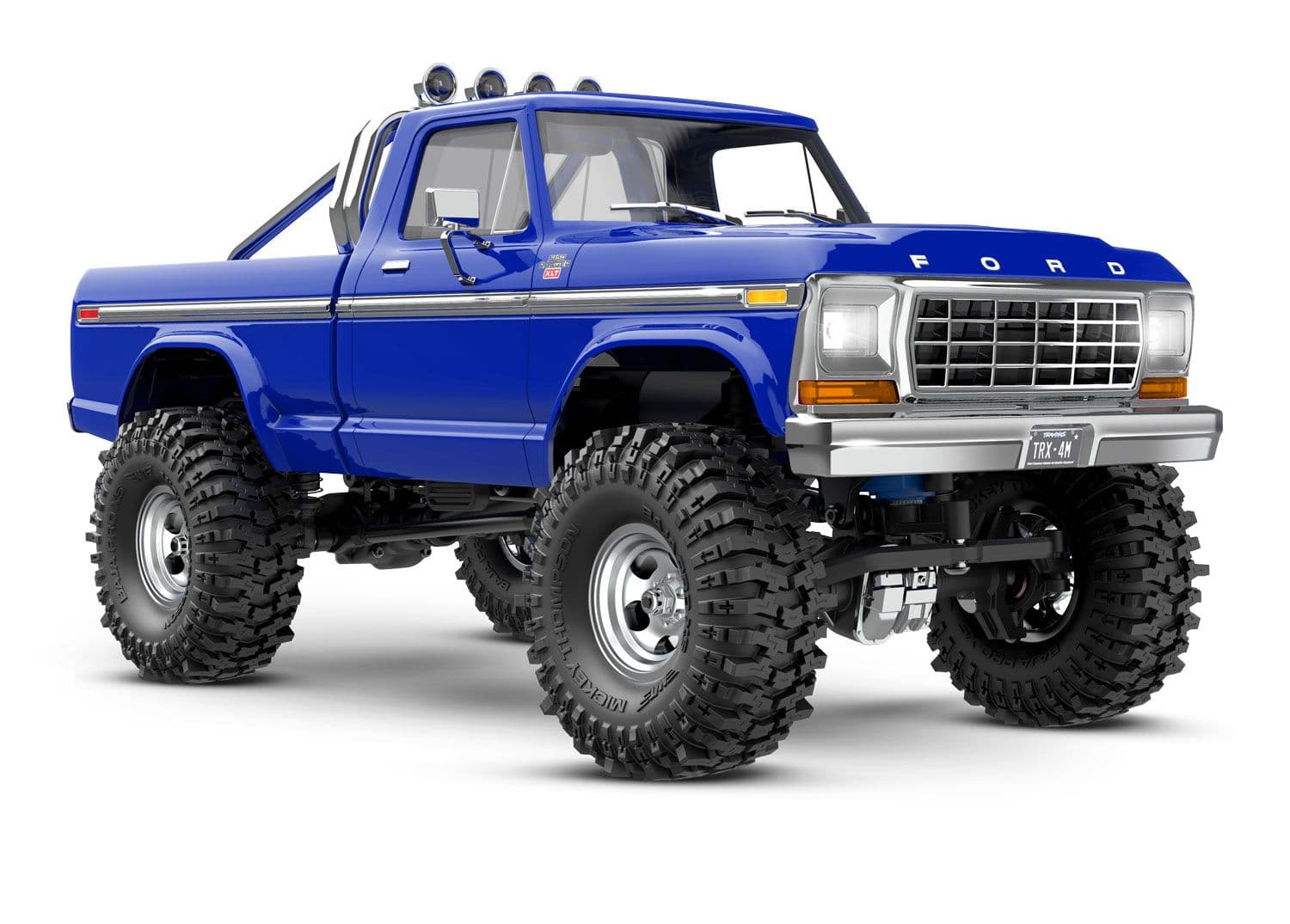
| 1:10 | The mainstream size — crawlers, touring, short course | Yard, park, track |
| 1:12 – 1:14 | Construction models and scale trucks | Yard, garage, dirt pile |
| 1:16 – 1:18 | Smaller crawlers and bashers | Garden, large room |
| 1:24 – 1:28 | Indoor running, desk-sized models | Indoors |
| 1:50 | Static and diecast construction display models | Shelf |
Why 1:10 dominates
If you are choosing a first serious model, there is a strong argument for 1:10 that has nothing to do with the size itself: parts support. It is the most produced scale, so spares, upgrades, tyres and bodies are cheaper, more varied and more likely to still be available in three years.
A rarer scale can mean waiting on a single supplier for a driveshaft. That is worth weighing before falling for a model purely on looks.
Scale in construction models
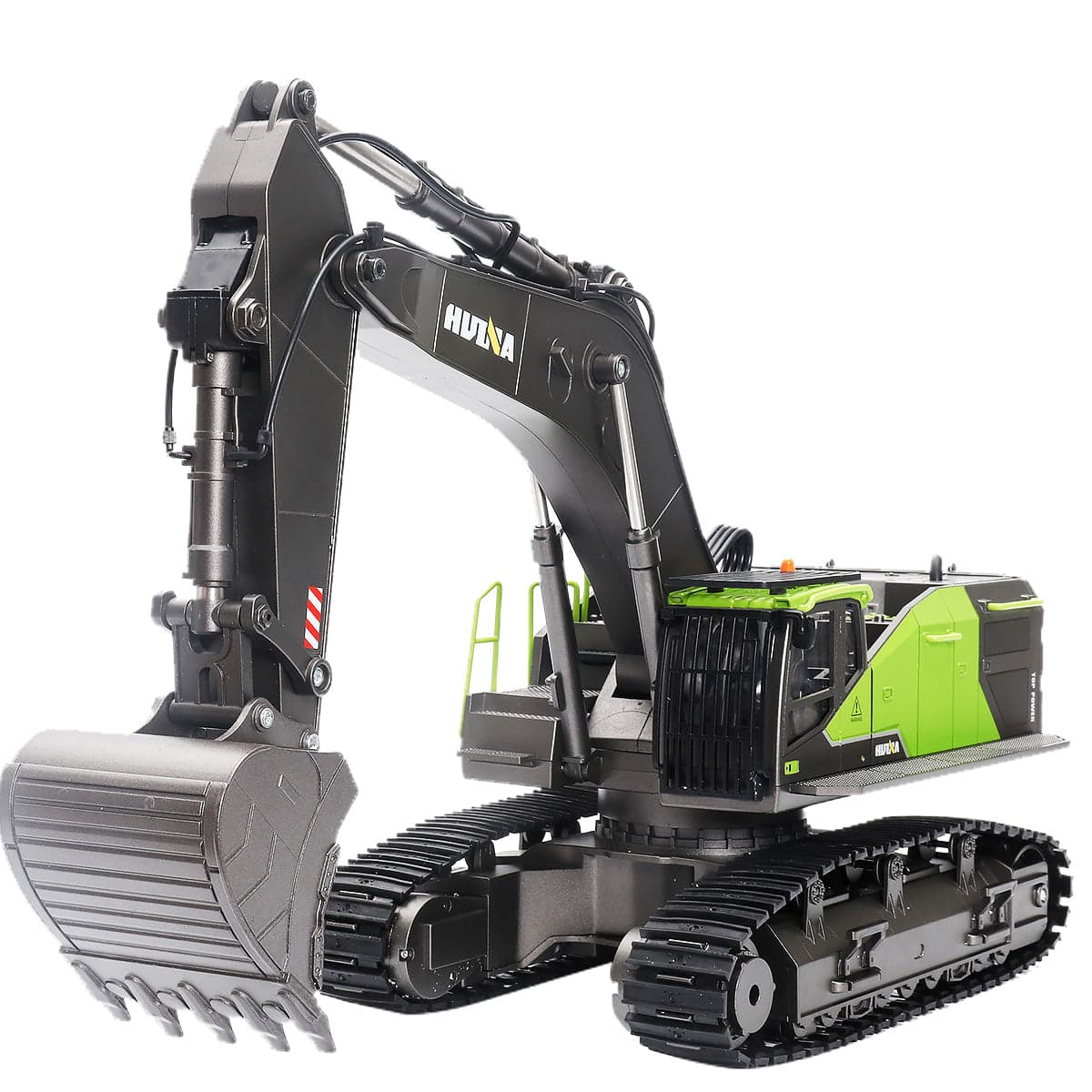
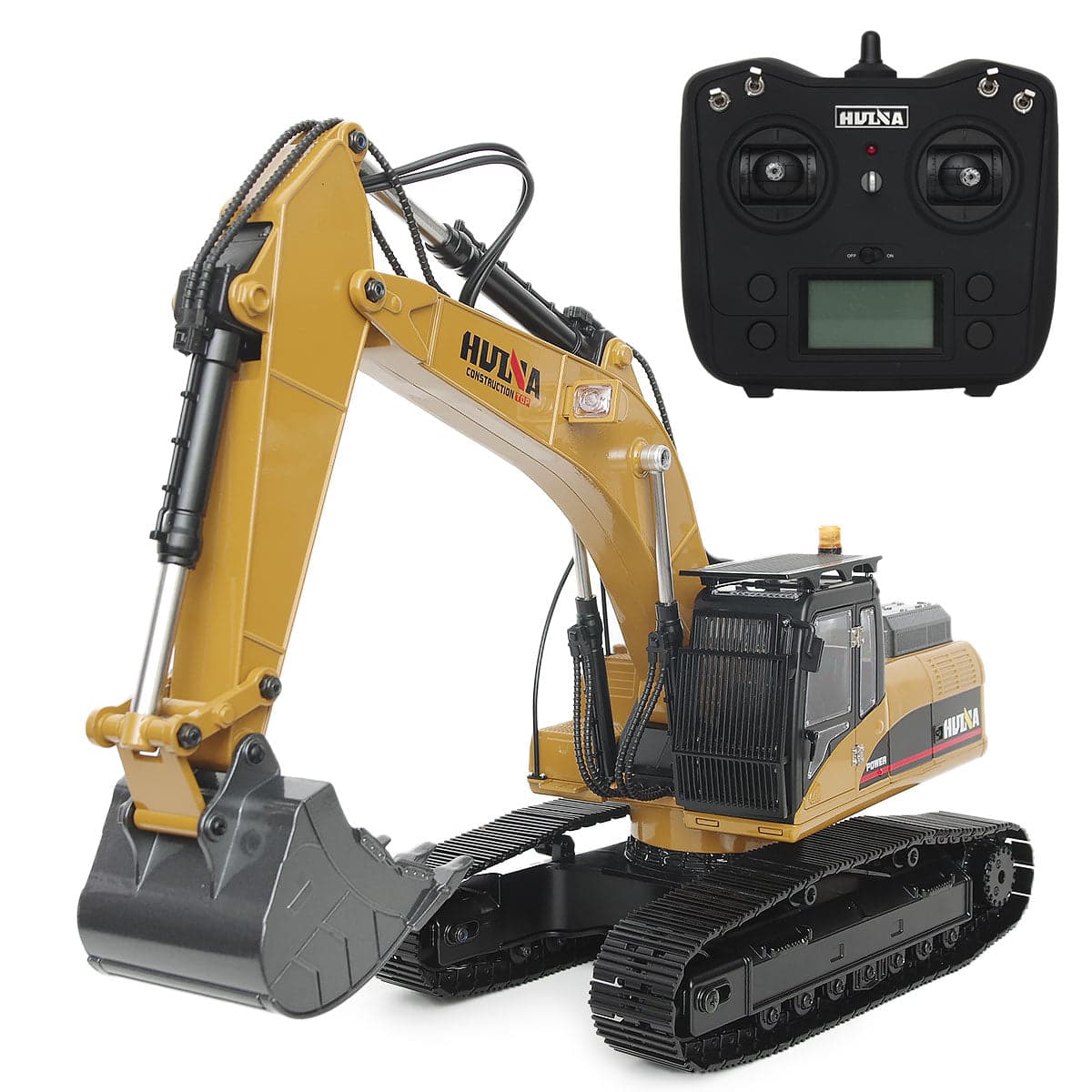
Construction is its own world. 1:14 is the established standard for functional RC excavators, loaders and haulers — large enough for real hydraulics and metal tracks, small enough to run in a garden. 1:50 is the display standard: diecast, static or lightly functional, made to be looked at rather than driven.
Mixing the two on a diorama does not work. The difference between 1:14 and 1:50 is roughly three and a half times, and it shows immediately.
Practical questions worth asking
- Where will it run? A 1:8 buggy needs real space. Indoors, 1:24 or smaller.
- Will it fit in the car? Larger scales get awkward to transport quickly.
- Are spares easy to get? Check before buying, not after the first break.
- Does it match what you already own? Same-scale models share tyres, bodies and often electronics.
- Battery size. Bigger scales need bigger packs, which is a real ongoing cost.
If you are choosing between two scales for a specific space, tell us the space and what you want to do in it. That is an easier question to answer than it looks.