Buying your first RC crawler: what matters and what breaks
Solid axles, sticky tyres and a strong servo — why crawling rewards grip over power, and which spares to order with the model.
Written by rcgadmin
Buying your first RC crawler: what matters and what breaks
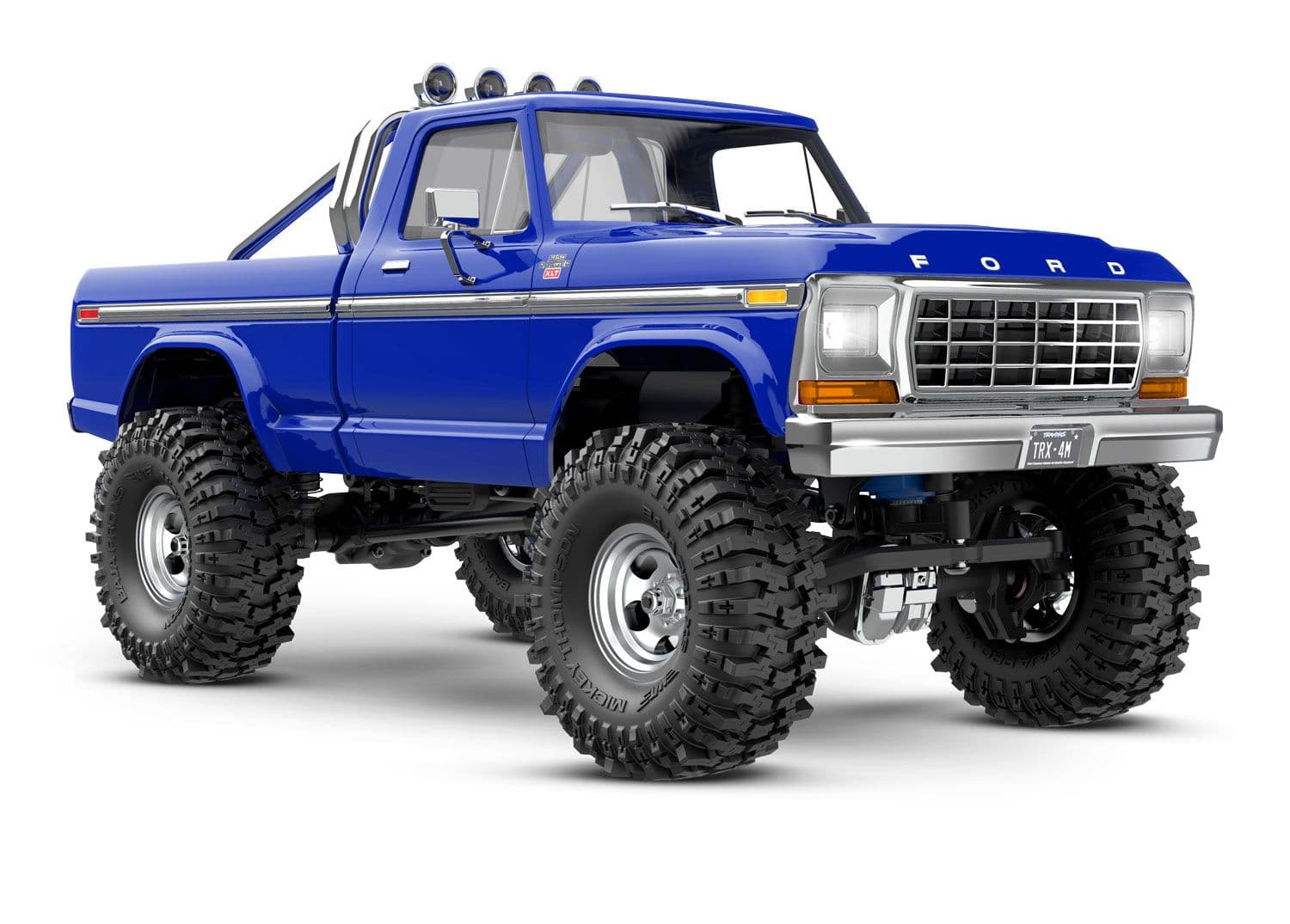
Crawling is the branch of RC least about speed and most about line choice. A good crawler moves at walking pace and still holds your attention for an hour. If you are buying your first one, here is what actually matters and what does not.
What makes a crawler a crawler
- Solid axles rather than independent suspension — articulation keeps wheels on the ground over uneven terrain.
- Low gearing, so it creeps controllably instead of lurching.
- Soft, sticky tyres with foam inserts, which do more for capability than almost any other single part.
- A low centre of gravity, usually from a battery mounted low and forward.
- A strong steering servo, because steering under load at a standstill is exactly what a crawler asks of it.
Scale and where you will run
1:10 is the default: the widest parts support, and big enough for real rocks and roots. 1:18 and 1:24 are genuinely capable and turn a garden, a gravel drive or a pile of firewood into a course — a better choice than people assume if space is limited.
Be honest about where it will run. A 1:10 crawler with nowhere to crawl gets used less than a 1:24 that fits the back garden.
Portal axles: worth it or not?
Portal axles put a gear reduction at the wheel hub, lifting the axle tube above the wheel centre. The result is significantly more ground clearance under the diff — the part that most often stops a stock crawler.
They also add unsprung weight and cost, and they are one more thing to service. For a first crawler on typical terrain, standard axles are fine. If your local terrain is genuinely rocky, portals earn their place.
Brushed, and why
Most good crawlers ship brushed, and this is not cost-cutting. A high-turn brushed motor gives smooth, predictable creep that a high-KV brushless system has to work hard to imitate. Speed is not the point here.
What breaks first
Crawlers break slowly and predictably, which is part of the appeal. In rough order:
- Link ends and rod ends — plastic, cheap, first to go on a hard tumble.
- Servo horns and servo saver — steering takes the load when a wheel jams.
- Driveshafts — usually from a sharp shock-load rather than wear.
- Body posts and the shell — cosmetic, but they go.
- Tyres and foams — a wear item, and the upgrade that changes most.
A spare set of link ends and a servo horn is the sensible first parts order. Neither is expensive, and both turn a ruined afternoon into a ten-minute repair.
The upgrades that actually change things
- Tyres. The single biggest improvement available. Softer compound, correct foams.
- A stronger steering servo. Cheap capability, immediately noticeable.
- Brass or heavier knuckles. Weight low and forward improves climbing more than power does.
- Shock oil. Free if you have it — tune before buying anything.
Notice that none of those is a motor. Crawling rewards grip and balance, not power, and a first upgrade spent on tyres does more than one spent on a brushless system.